
bettyebinion56
About bettyebinion56
Overview of Private Aviation Companies: Trends, Services, and Market Dynamics
Private aviation has become an integral part of the global transportation landscape, catering to a diverse clientele that ranges from business executives to celebrities and affluent individuals. The industry has witnessed significant growth over the past few decades, driven by advancements in technology, changing consumer preferences, and an increasing demand for personalized travel solutions. This report provides a comprehensive overview of private aviation companies, exploring their services, market dynamics, and emerging trends.
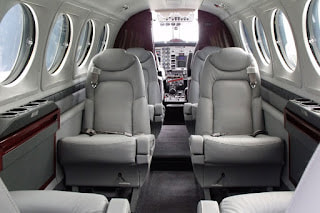
Industry Overview
Private aviation encompasses a wide array of services, including private jet charters, fractional ownership, and jet card programs. These services are designed to provide flexibility, convenience, and luxury to travelers who seek an alternative to commercial air travel. The market for private aviation is characterized by a mix of established players and new entrants, all vying for a share of a lucrative and growing sector.
Key Players in the Market
Several companies dominate the private aviation landscape, each offering unique services and aircraft options. Notable players include:
- NetJets: A pioneer in fractional ownership, NetJets offers clients the opportunity to purchase a share of a jet, providing access to a fleet of over 700 aircraft worldwide. The company is known for its high standards of service and safety.
- Flexjet: Similar to NetJets, Flexjet provides fractional ownership and leasing options, along with jet card programs. Flexjet distinguishes itself with a focus on customer experience and a modern fleet of aircraft.
- VistaJet: Operating a fleet of silver and red aircraft, VistaJet specializes in on-demand charter services and offers a unique subscription model for clients. The company emphasizes a global reach, with access to over 1,900 airports worldwide.
- Wheels Up: A newer entrant in the market, Wheels Up has gained popularity through its membership model, which allows clients to book flights on a pay-as-you-go basis. The company also offers a robust fleet of aircraft and a focus on community building among its members.
- JetSuite: JetSuite operates a fleet of light jets and offers both charter services and a membership program. The company is known for its competitive pricing and commitment to customer service.
Services Offered
Private aviation companies offer a range of services tailored to meet the diverse needs of their clients. These include:
- Private Jet Charters: Clients can book flights on-demand, choosing from a variety of aircraft types based on their travel needs. This service provides maximum flexibility and convenience.
- Fractional Ownership: Clients purchase a share of an aircraft, allowing them to enjoy the benefits of ownership without the full financial burden. This model typically includes guaranteed availability and maintenance services.
- Jet Cards: Jet card programs offer pre-paid flight hours, allowing clients to book flights without the commitment of fractional ownership. This option is ideal for those who fly infrequently but still desire the benefits of private aviation.
- Aircraft Management: Some companies offer aircraft management services, handling the operational aspects of aircraft ownership, including maintenance, staffing, and regulatory compliance.
Market Dynamics
The private aviation market is influenced by various factors, including economic trends, technological advancements, and changing consumer preferences. Key dynamics include:
- Economic Growth: As economies grow and wealth increases, more individuals and businesses are turning to private aviation for travel. The demand for private jets often correlates with economic indicators, such as GDP growth and corporate profits.
- Technological Innovations: Advancements in aviation technology, including more fuel-efficient aircraft and improved safety features, have made private aviation more accessible and appealing. For those who have any issues relating to where by along with tips on how to utilize privatejetcardreview, you possibly can call us in our web site. Additionally, digital platforms have streamlined the booking process, enhancing customer convenience.
- Sustainability: With increasing awareness of environmental issues, private aviation companies are exploring sustainable practices, such as using sustainable aviation fuel (SAF) and investing in carbon offset programs. This shift is becoming a critical factor in attracting environmentally conscious clients.
- Post-Pandemic Recovery: The COVID-19 pandemic significantly impacted the aviation industry, but private aviation experienced a surge in demand as travelers sought safer and more private alternatives to commercial flights. This trend has persisted, with many companies reporting increased bookings and new clients.
Emerging Trends
Several trends are shaping the future of private aviation:
- Increased Accessibility: Companies are working to make private aviation more accessible to a broader audience. This includes offering more flexible pricing models and expanding fleet options to include smaller, more cost-effective aircraft.
- Digital Transformation: The use of technology in private aviation is on the rise. Companies are investing in apps and online platforms that allow clients to book flights, manage itineraries, and communicate with service providers seamlessly.
- Focus on Customer Experience: As competition intensifies, private aviation companies are placing a greater emphasis on customer experience. This includes personalized services, bespoke travel arrangements, and enhanced in-flight amenities.
- Health and Safety Protocols: In response to the pandemic, private aviation companies have implemented stringent health and safety measures to reassure clients. This includes enhanced cleaning protocols, contactless services, and health screenings.
Conclusion
Private aviation companies play a crucial role in the modern travel ecosystem, providing a range of services that cater to the needs of discerning travelers. With a growing market, driven by economic factors and evolving consumer preferences, the industry is poised for continued growth. As companies innovate and adapt to changing dynamics, the future of private aviation looks promising, with an emphasis on accessibility, technology, and customer satisfaction. The ongoing commitment to sustainability will also shape the industry’s trajectory, ensuring that private aviation remains a viable and responsible choice for travelers around the globe.

No listing found.