
lavonbarden933
About lavonbarden933
The Rise of Charter Plane Flights: A New Era in Air Travel
In recent years, the aviation industry has witnessed a significant shift in travel preferences, with charter plane flights emerging as a popular alternative to commercial airlines. This trend is driven by a combination of factors, including the desire for personalized travel experiences, increased flexibility, and the ongoing impact of the COVID-19 pandemic on air travel. As travelers seek safer and more convenient options, charter flights are becoming an attractive choice for both leisure and business travelers.
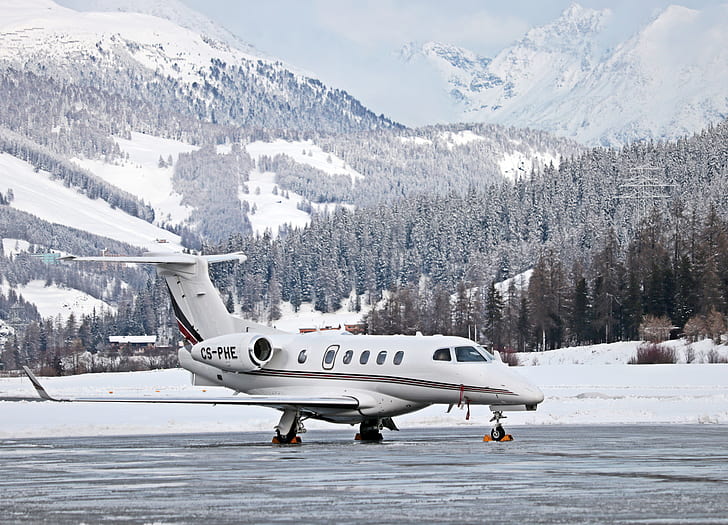
Charter flights, which are aircraft hired for specific trips rather than operating on a fixed schedule, offer a level of customization that traditional commercial airlines cannot match. Passengers can choose their departure times, routes, and even the type of aircraft they wish to fly on. This flexibility is particularly appealing to business travelers who often have tight schedules and require efficient travel arrangements to meet their professional commitments.
The growth of charter flights can also be attributed to the advancements in technology. With the rise of online platforms and apps that facilitate the booking process, it has never been easier for travelers to arrange private flights. Companies like JetSuite, Wheels Up, and VistaJet have made chartering a plane as simple as booking a hotel room. These platforms allow users to compare prices, view available aircraft, and book flights in just a few clicks. This convenience has opened up the world of private aviation to a broader audience, including those who may not have considered charter flights in the past.
Moreover, the COVID-19 pandemic has significantly accelerated the demand for charter flights. As health and safety concerns remain at the forefront of travelers’ minds, many are opting for private flights to minimize exposure to large crowds and reduce the risk of infection. Charter flights offer a more controlled environment, allowing passengers to travel with family, friends, or colleagues without the worry of sharing space with strangers. This trend has prompted many charter companies to implement enhanced safety measures, including rigorous cleaning protocols and health screenings for passengers and crew.
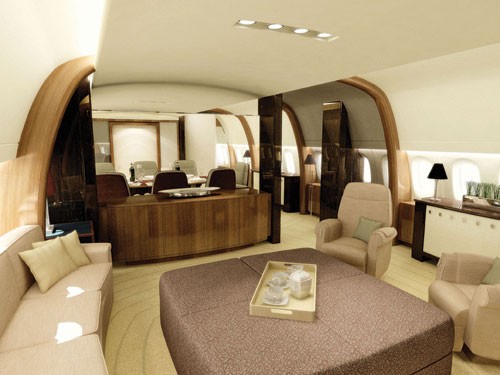
The appeal of charter flights extends beyond just health and safety. For many, the experience of flying on a private jet is a luxurious and exclusive one. Passengers can enjoy spacious cabins, personalized service, and the ability to bring more luggage without the restrictions typically imposed by commercial airlines. Additionally, charter flights often provide access to smaller airports, allowing travelers to reach their destinations more quickly and conveniently.
As the demand for charter flights continues to rise, the industry has seen an influx of new entrants. Startups and established companies alike are expanding their fleets and services to cater to this growing market. Some companies are even exploring innovative business models, such as fractional ownership and jet card programs, which provide travelers with more options for accessing private aviation. These models allow individuals to purchase a share of an aircraft or a set number of flight hours, making private flying more accessible and affordable.
Despite the many advantages of charter flights, there are still challenges that the industry must address. One of the primary concerns is the environmental impact of private aviation. If you have any inquiries with regards to where and how to use privatejetcardreview, you can make contact with us at our website. While charter flights are often more efficient than commercial flights on a per-passenger basis, the overall carbon footprint of private jets remains significant. As awareness of climate change grows, there is increasing pressure on the aviation industry to adopt more sustainable practices. Many charter companies are investing in newer, more fuel-efficient aircraft and exploring the use of sustainable aviation fuels to mitigate their environmental impact.
Additionally, the charter flight industry faces regulatory hurdles that can complicate operations. Different countries have varying regulations regarding private aviation, which can create challenges for companies operating internationally. Furthermore, the industry must navigate issues related to air traffic control and airport access, particularly at busy airports where landing slots are limited.
Despite these challenges, the future of charter flights looks promising. Industry experts predict that the demand for private aviation will continue to grow, driven by changing consumer preferences and a desire for more personalized travel experiences. As more travelers become accustomed to the benefits of charter flights, the industry is likely to evolve and adapt to meet their needs.
In conclusion, charter plane flights represent a new era in air travel, offering flexibility, convenience, and a personalized experience that traditional airlines struggle to provide. As the industry continues to innovate and address environmental concerns, charter flights are poised to become an integral part of the aviation landscape. Whether for business or leisure, travelers are increasingly turning to private aviation as a viable and appealing option, marking a significant shift in the way we approach air travel.
No listing found.